paintings &




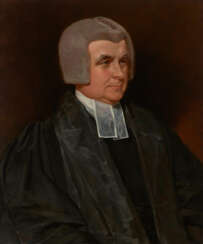

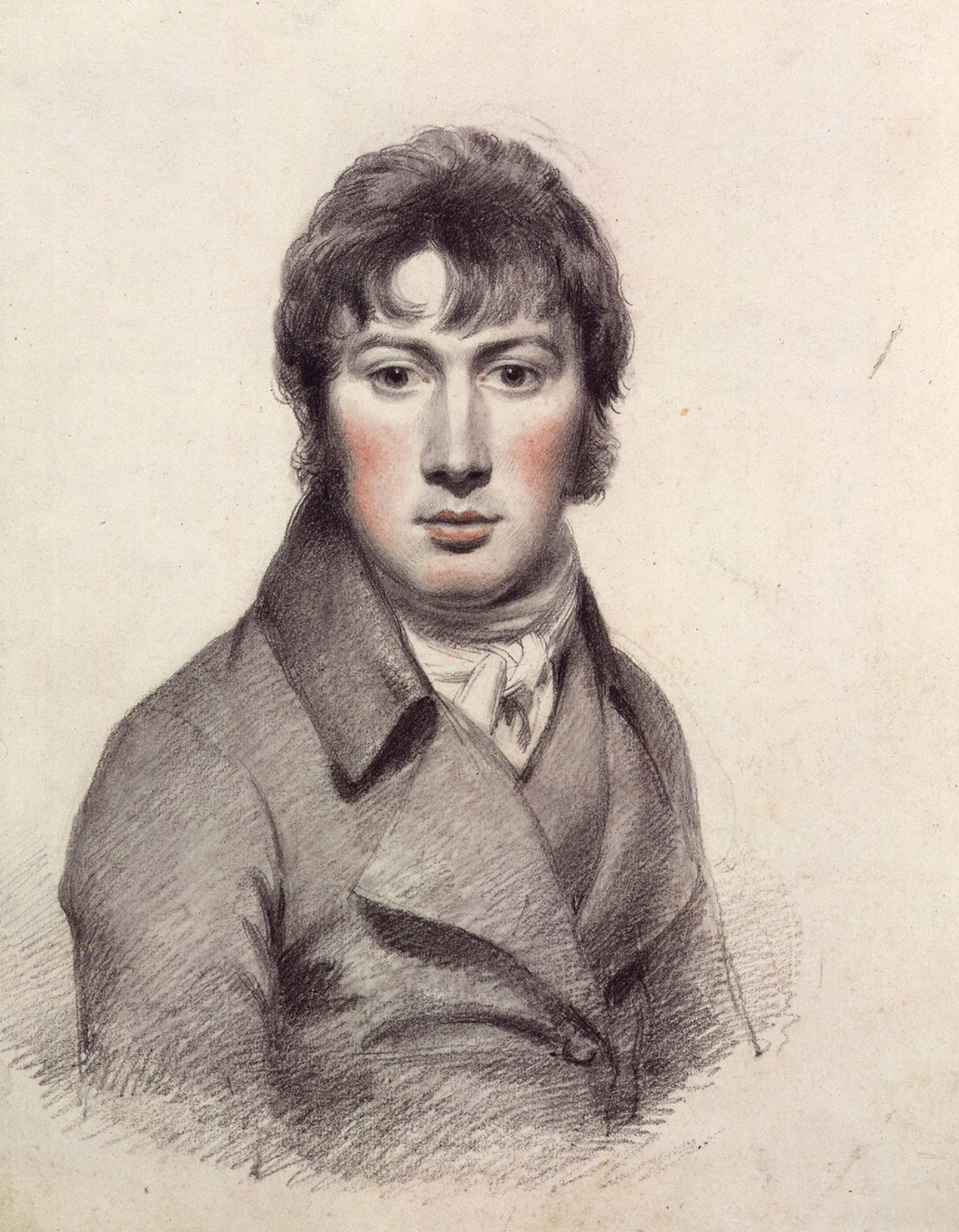
John Constable was an English landscape painter in the Romantic tradition. Born in Suffolk, he is known principally for revolutionising the genre of landscape painting with his pictures of Dedham Vale, the area surrounding his home — now known as "Constable Country" — which he invested with an intensity of affection. "I should paint my own places best", he wrote to his friend John Fisher in 1821, "painting is but another word for feeling".













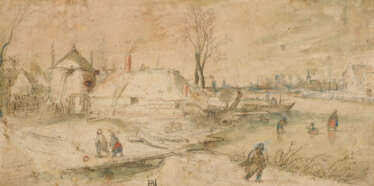

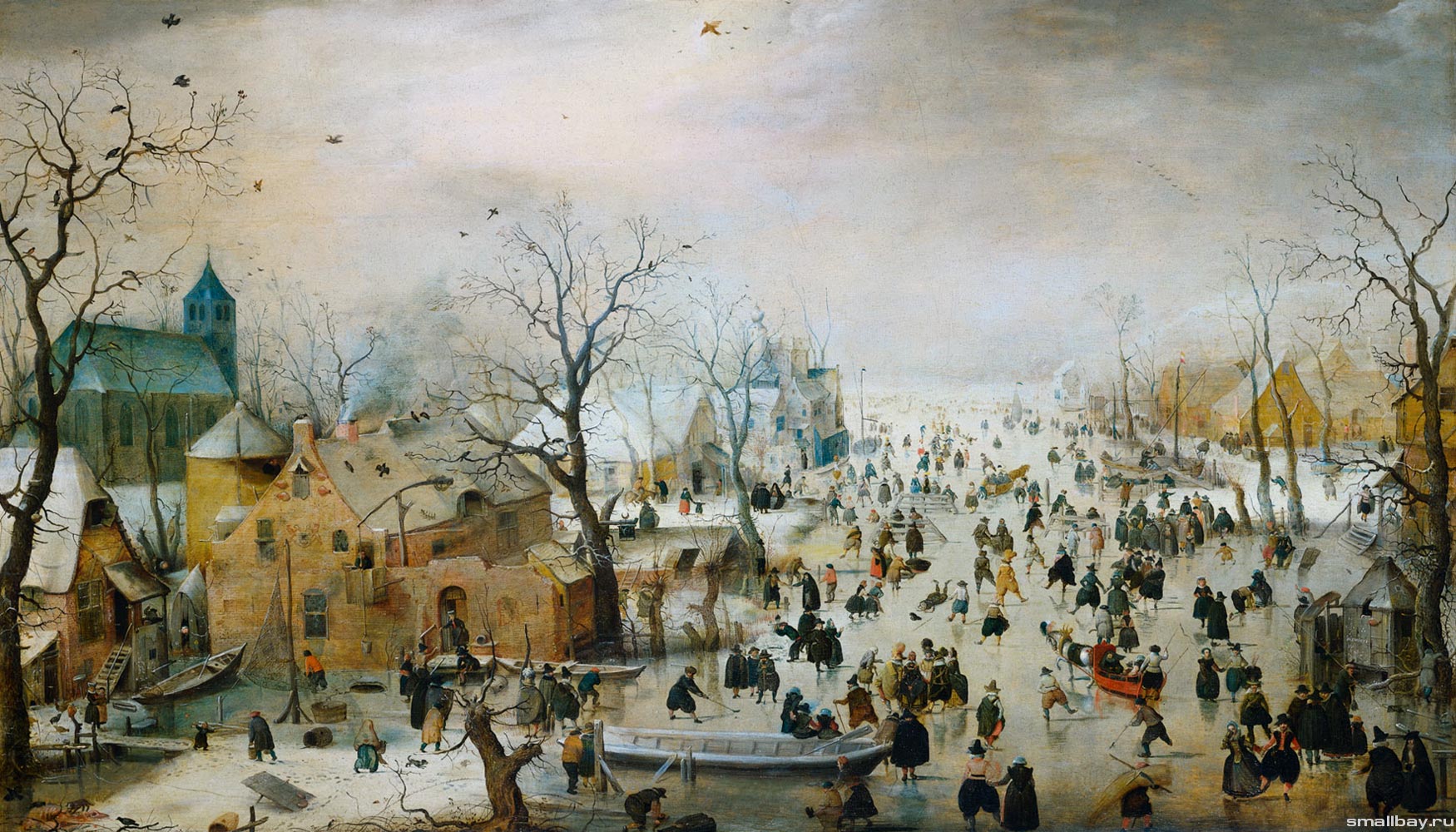
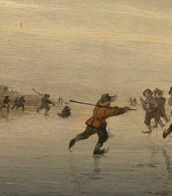
Hendrick Avercamp was a seminal Dutch painter during the Dutch Golden Age. He is celebrated as one of the earliest landscape painters of the 17th-century Dutch school, specializing in vibrant winter scenes of the Netherlands. His paintings are filled with colorful and lively depictions of people engaging in various activities against the backdrop of the Dutch winter landscape.
Educated by the Danish-born portrait painter Pieter Isaacsz, Hendrick Avercamp's work reflects a strong influence from the Flemish painting tradition, especially evident in the landscapes reminiscent of Pieter Bruegel the Elder. His technique of aerial perspective, where objects in the foreground are painted with richer colors than those in the distance, creates a remarkable impression of depth in his paintings.
Hendrick Avercamp's most ambitious and acclaimed work, 'Winter Landscape with Ice Skaters', painted around 1608, is a detailed panorama of human and animal activities during a harsh winter. This painting, along with others like 'Winter Landscape with a Frozen River and Figures' and 'Winter Landscape with Skates and People Playing Golf', showcase his knack for narrative, capturing various facets of 17th-century Dutch society enjoying the winter season.
Despite being mute and probably deaf, Hendrick Avercamp's keen observation skills are evident in his works, where he intricately portrays diverse classes engaging in various winter activities. He produced about a hundred paintings, many of which can be seen in the Rijksmuseum in Amsterdam and the Mauritshuis in The Hague. His work was also celebrated for its historical quality, providing a glimpse into the life of different societal levels in the Netherlands at that time.
For collectors and enthusiasts of art and antiques, Hendrick Avercamp's paintings offer a fascinating window into the Dutch Golden Age, with their vivid portrayal of life and activities in a winter setting. His works, characterized by meticulous detail and a cheerful narrative, remain an integral part of the conversation in the history of Dutch art.
To stay updated on the latest insights and collections related to Hendrick Avercamp's works, consider subscribing to our updates. Stay informed about new sales, exhibitions, and auction events featuring this master of Dutch winter landscapes.



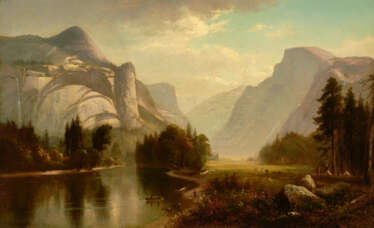

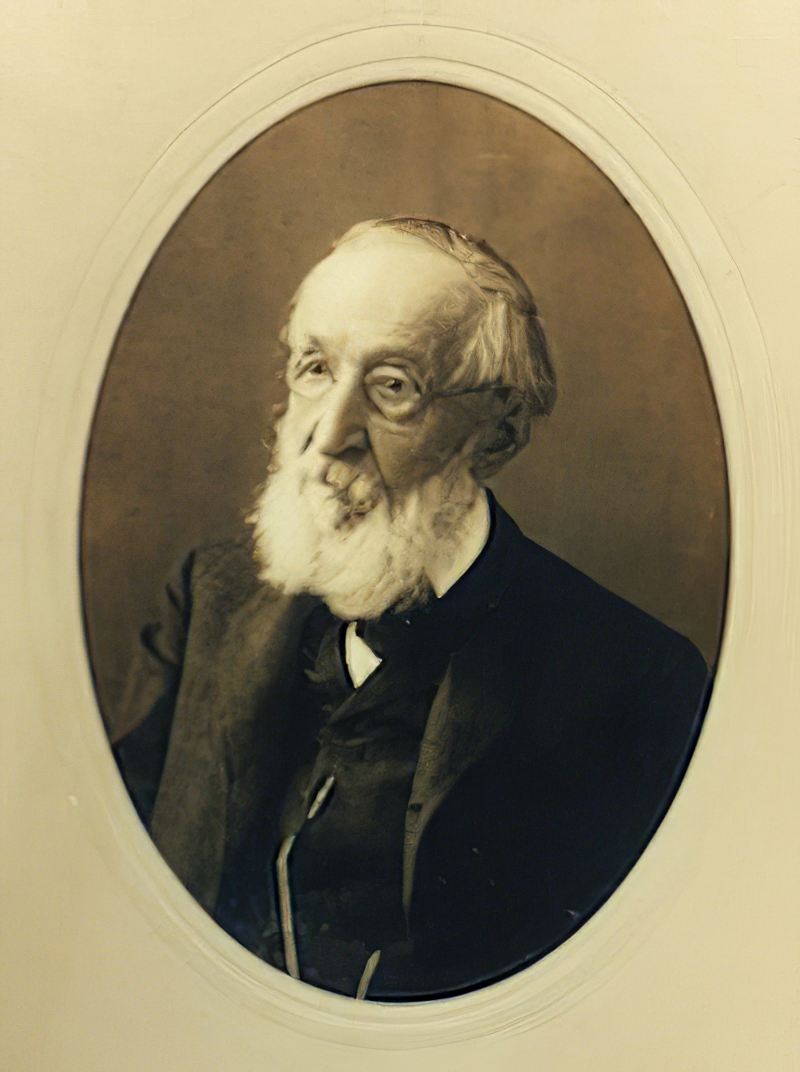
Benjamin Champney was a painter known for his role in White Mountain art of the 19th century. He began his training as a lithographer under celebrated marine artist Fitz Henry Lane at Pendleton's Lithography shop in Boston. Most art historians consider him the founder of the "North Conway Colony" of painters who came to North Conway, New Hampshire and the surrounding area during the second half of the 19th century. His paintings were often used to make chromolithographs that were subsequently sold to tourists who could not afford Champney's originals. He exhibited regularly at the Boston Athenæum and was a founder of the Boston Art Club.


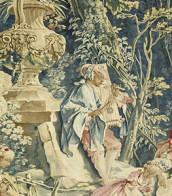



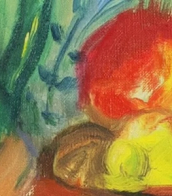

















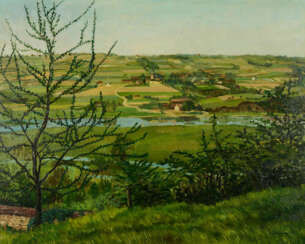

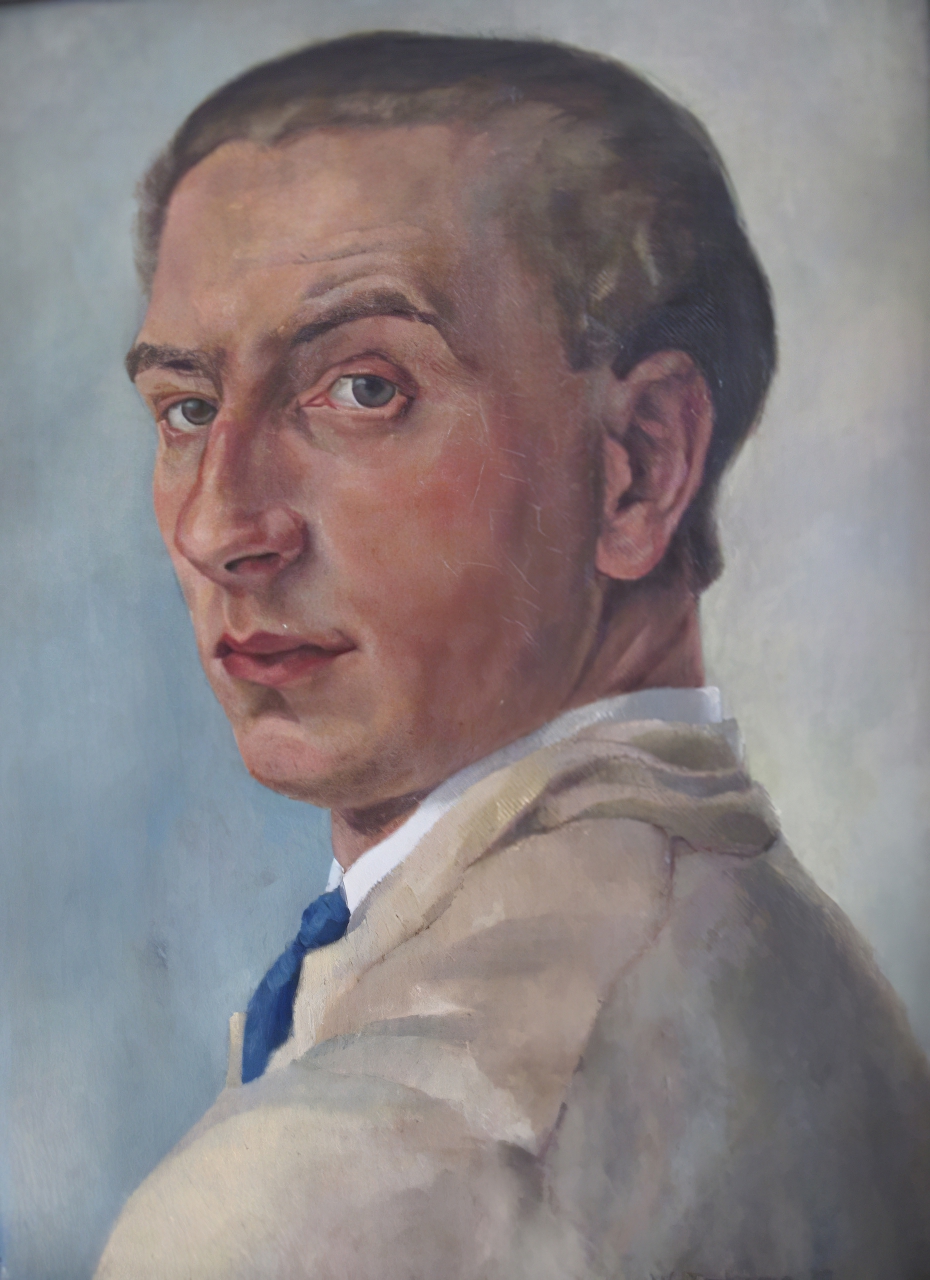
Wilhelm Imkamp was a German painter and a student of the Bauhaus and is one of the most important abstract painters of the post-war period in Germany.
Even though Imkamp made over 500 portraits in his lifetime and thus secured his income for several years of his life, abstract painting is and remains the core of his work. His paintings were created without sketches and preliminary studies, he always painted several pictures at the same time and let a composition emerge in many individual steps from the interaction of colour and form alone. Impressions from nature and music were his sources of inspiration, which played a part in the creative process, but in the end a completely new world of images emerged, on the basis of which the picture titles were also found. Imkamp's work is clearly recognisable as a Bauhaus student, strongly influenced by Wassily Kandinsky's colour compositions, Paul Klee's narrative span and Lyonel Feiniger's structured use of space. Over the years, however, he developed a very independent artistic position among the students of the Bauhaus.